
Introduction to Career Transition
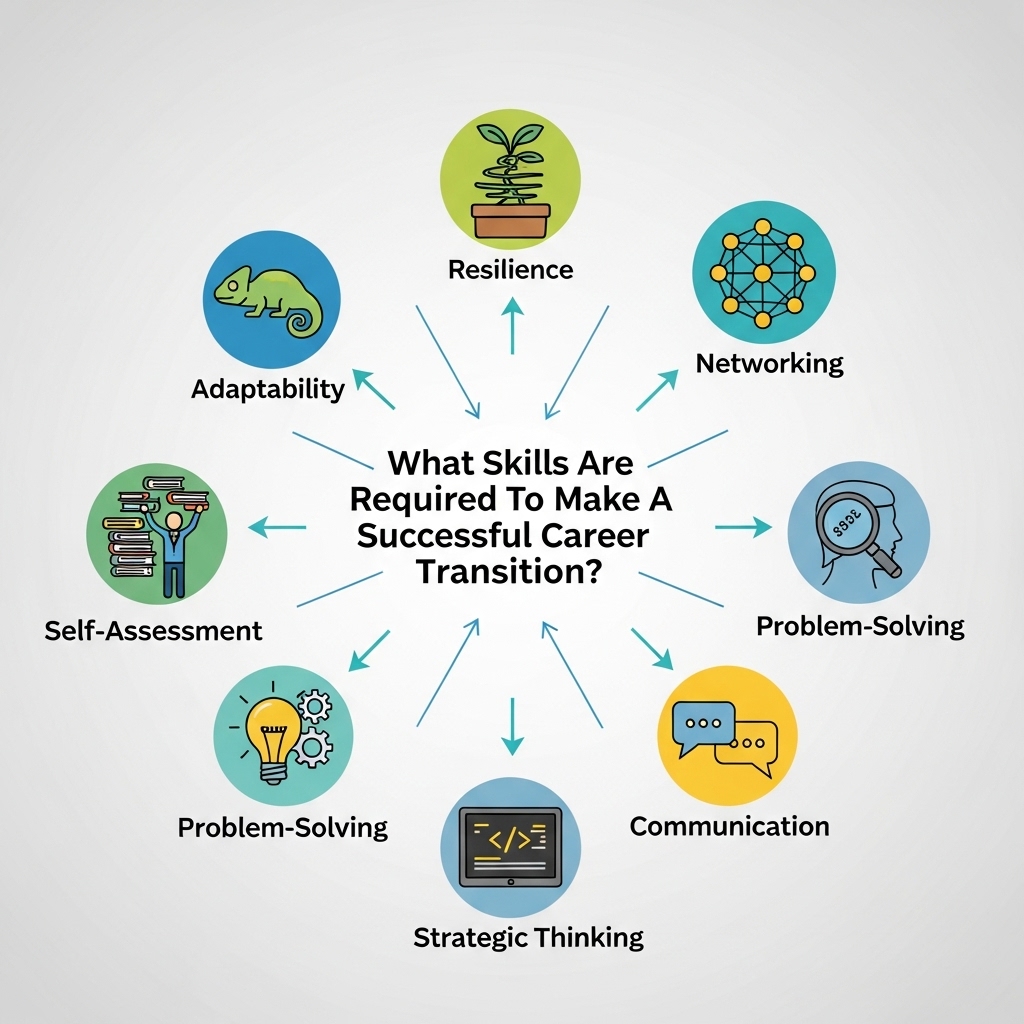
Making a successful career transition can be a daunting task, especially in today's fast-paced and competitive job market. Many individuals find themselves feeling stuck in their current careers, unsure of how to make a change or what skills they need to acquire to transition into a new field. However, with the right mindset and skills, it is possible to make a successful career transition and find a career that is fulfilling and challenging. In this article, we will explore the skills required to make a successful career transition and provide examples of how individuals can acquire these skills.
Self-Awareness and Reflection
The first step in making a successful career transition is to have a clear understanding of your strengths, weaknesses, and interests. This requires self-awareness and reflection, which can be achieved through self-assessment tools, such as personality tests and career quizzes. For example, the Myers-Briggs Type Indicator (MBTI) is a popular personality test that can help individuals understand their personality type and how it relates to different careers. Additionally, individuals can reflect on their past experiences and identify what they enjoyed and what they were good at, as well as what they struggled with and what they would like to improve.
Transferable Skills
Another important skill required for a successful career transition is the ability to identify and highlight transferable skills. Transferable skills are skills that can be applied to different careers and industries, such as communication, problem-solving, and leadership. For example, a marketing professional who is transitioning into a sales role can highlight their communication and negotiation skills, which are valuable in both marketing and sales. Individuals can identify their transferable skills by making a list of their past experiences and the skills they used in each role, and then highlighting the skills that are relevant to their desired career.
Networking and Building Relationships
Networking and building relationships are also crucial skills for a successful career transition. Attend industry events, join professional organizations, and connect with people on LinkedIn to build relationships with people in your desired field. For example, an individual who is transitioning into the tech industry can attend tech conferences and join online communities, such as GitHub or Stack Overflow, to connect with other professionals in the field. Building relationships with people in your desired field can provide valuable advice, job leads, and mentorship, which can help you make a successful career transition.
Continuous Learning and Professional Development
Continuous learning and professional development are essential skills for a successful career transition. With the rapid pace of technological change, it is essential to stay up-to-date with the latest trends and developments in your desired field. For example, an individual who is transitioning into the data science field can take online courses, such as those offered by Coursera or edX, to learn programming languages, such as Python or R, and data analysis tools, such as Tableau or Power BI. Additionally, individuals can attend industry conferences and workshops to learn from experts in the field and network with other professionals.
Resilience and Adaptability
Finally, resilience and adaptability are critical skills for a successful career transition. Making a career transition can be a challenging and uncertain process, and it is essential to be able to bounce back from setbacks and adapt to new situations. For example, an individual who is transitioning into a new industry may face rejection or failure, but with resilience and adaptability, they can learn from their mistakes and try again. Individuals can develop resilience and adaptability by practicing mindfulness, setting realistic goals, and seeking support from friends, family, or a career coach.
Conclusion
In conclusion, making a successful career transition requires a range of skills, including self-awareness and reflection, transferable skills, networking and building relationships, continuous learning and professional development, and resilience and adaptability. By acquiring these skills, individuals can increase their chances of making a successful career transition and finding a career that is fulfilling and challenging. Remember, a career transition is a process, and it takes time, effort, and patience. With the right mindset and skills, however, individuals can achieve their career goals and find a career that aligns with their strengths, interests, and values.