
Introduction to Volatile Markets
Volatile markets can be intimidating, especially for new investors. The constant fluctuations in stock prices can lead to significant losses if not managed properly. However, with the right strategies, it's possible to mitigate potential losses and even capitalize on the opportunities that arise in these markets. In this article, we'll explore the strategies that can help investors navigate volatile markets and minimize their losses. We'll discuss the importance of diversification, risk management, and other techniques that can help investors stay ahead of the game.
Understanding Risk Management
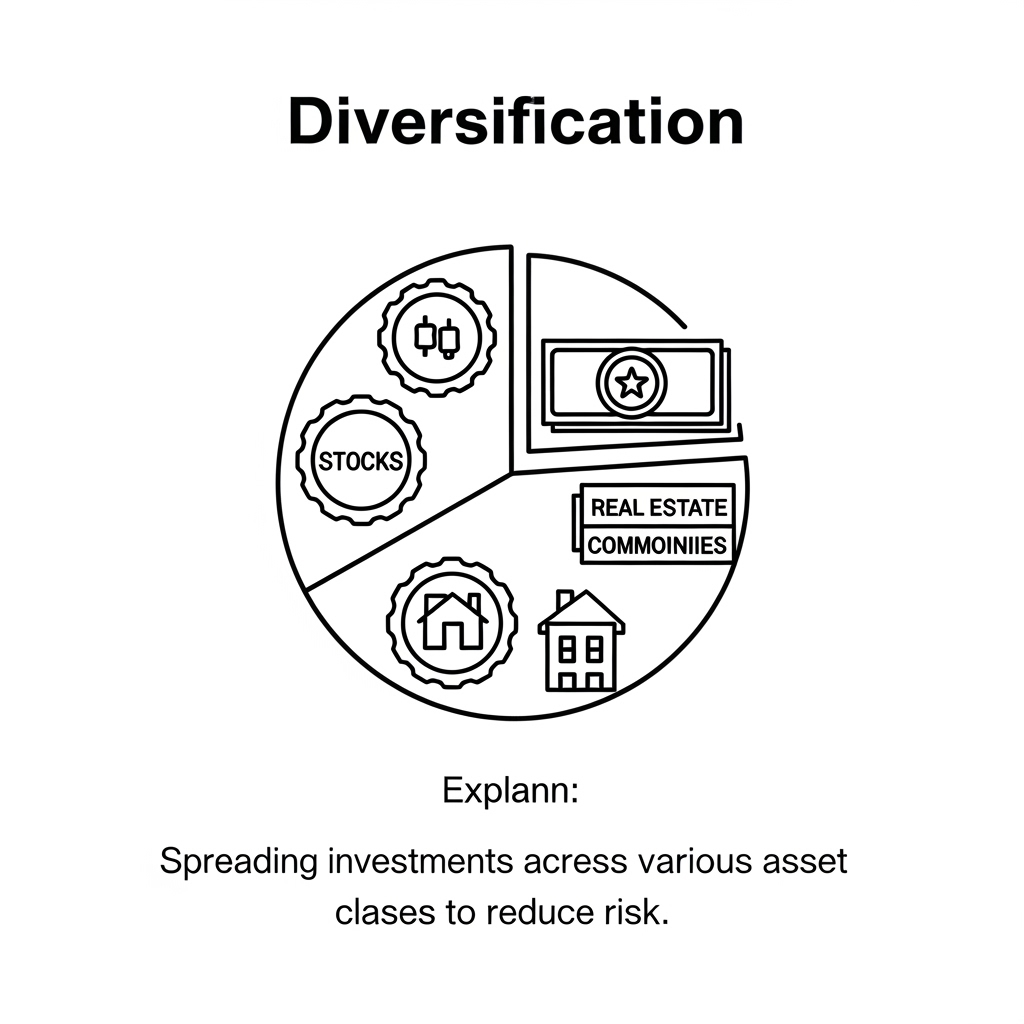
Risk management is a crucial aspect of investing in volatile markets. It involves identifying potential risks and taking steps to minimize their impact. One of the most effective risk management strategies is diversification. By spreading investments across different asset classes, sectors, and geographies, investors can reduce their exposure to any one particular market or sector. For example, if an investor has a portfolio that's heavily invested in tech stocks, they may consider diversifying into other sectors such as healthcare or finance to reduce their risk. This way, if the tech sector experiences a downturn, the investor's overall portfolio won't be as heavily impacted.
Diversification Strategies
Diversification can be achieved through various means, including investing in index funds, ETFs, or mutual funds. These investment vehicles provide broad exposure to different markets and sectors, making it easier for investors to diversify their portfolios. Another strategy is to invest in dividend-paying stocks, which can provide a regular income stream and help reduce volatility. For instance, investors can consider investing in established companies with a history of paying consistent dividends, such as Johnson & Johnson or Procter & Gamble. Additionally, investors can also consider investing in real estate or other alternative assets to further diversify their portfolios.
Stop-Loss Orders and Position Sizing
Stop-loss orders and position sizing are two other essential strategies for managing risk in volatile markets. A stop-loss order is an instruction to sell a security when it falls to a certain price, limiting the potential loss. For example, if an investor buys a stock at $100 and sets a stop-loss order at $90, the stock will be sold automatically if it falls to $90, limiting the loss to 10%. Position sizing, on the other hand, involves allocating a specific amount of capital to each trade or investment. This helps to manage risk by limiting the potential loss on any one trade. By combining stop-loss orders and position sizing, investors can effectively manage their risk and avoid significant losses.
Technical Analysis and Market Trends
Technical analysis involves studying charts and market trends to identify potential trading opportunities. By analyzing trends and patterns, investors can make informed decisions about when to buy or sell a security. For instance, if an investor identifies a strong uptrend in a particular stock, they may consider buying it, while a downtrend may indicate a potential selling opportunity. Technical analysis can also help investors identify support and resistance levels, which can be used to set stop-loss orders or adjust position sizes. Additionally, investors can use technical indicators such as moving averages or relative strength index (RSI) to gauge market sentiment and make more informed decisions.
Emotional Control and Discipline
Emotional control and discipline are essential for successful investing in volatile markets. Fear and greed are two emotions that can lead to impulsive decisions, resulting in significant losses. Investors must be able to control their emotions and stick to their investment strategy, even during times of high market volatility. This requires discipline and a long-term perspective, as well as a thorough understanding of the investment strategy and the underlying markets. By staying calm and focused, investors can avoid making rash decisions and stay on track to achieving their investment goals.
Conclusion
In conclusion, mitigating potential losses in volatile markets requires a combination of strategies, including diversification, risk management, technical analysis, and emotional control. By understanding the importance of risk management and implementing effective strategies, investors can reduce their exposure to market volatility and achieve their long-term investment goals. It's essential to stay informed, disciplined, and patient, and to avoid making impulsive decisions based on emotions. With the right approach, investors can navigate even the most turbulent markets and come out on top. Whether you're a seasoned investor or just starting out, the key to success lies in developing a well-thought-out investment strategy and sticking to it, even in the face of market uncertainty.