
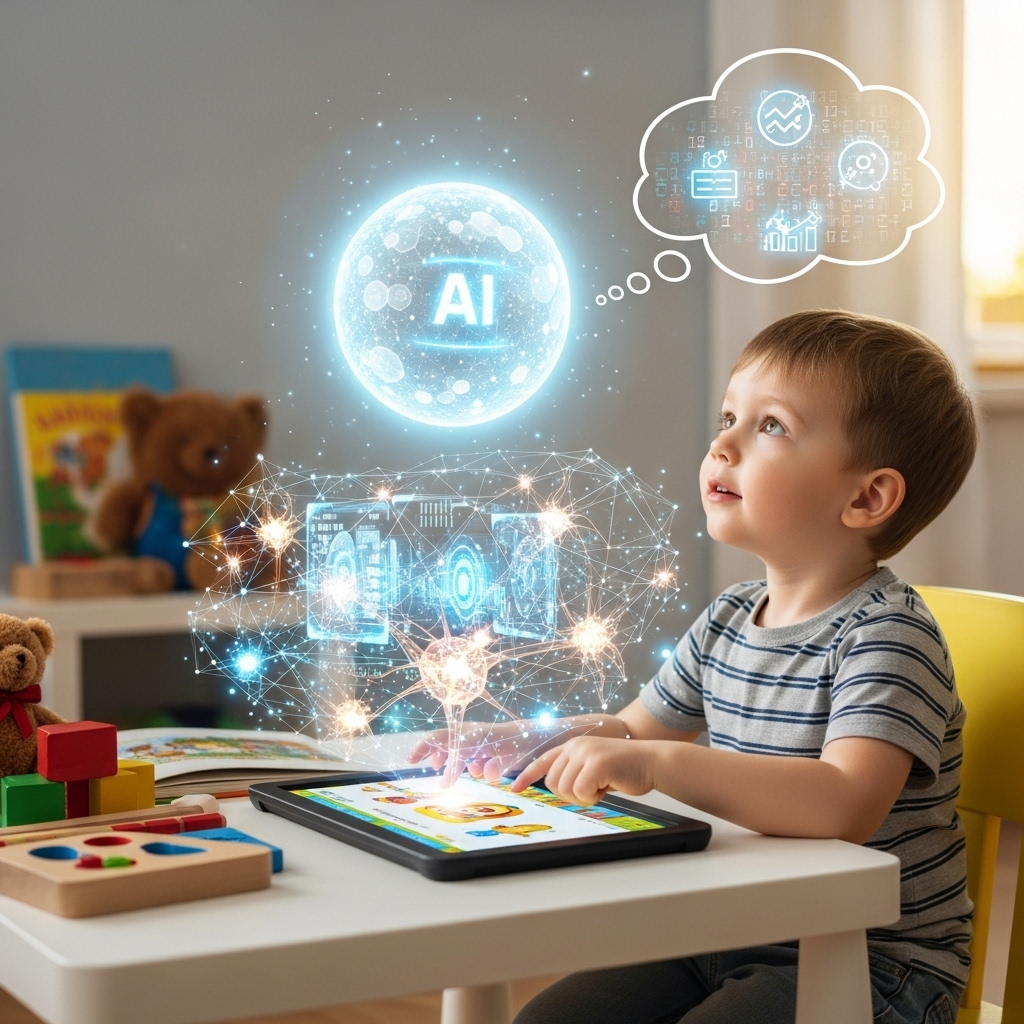
Introduction to AI in Early Childhood Development
Artificial intelligence (AI) has been increasingly integrated into various aspects of our lives, including education. In the context of early childhood development, AI-powered tools are being explored for their potential to enhance human intelligence. The question remains, can these tools truly make a positive impact on the cognitive, social, and emotional development of young children? This article aims to delve into the possibilities and limitations of AI in early childhood education, examining the current state of research and application.
Understanding AI-Powered Tools in Education
AI-powered tools in education are designed to provide personalized learning experiences, adapt to individual learning styles, and offer real-time feedback. These tools can range from simple learning apps to complex systems that analyze student performance and adjust the curriculum accordingly. In early childhood development, such tools can be particularly beneficial, as they can help identify learning disabilities or areas of special need early on, allowing for timely intervention. For instance, AI-driven speech recognition systems can help assess and improve language skills in young children, potentially leading to better communication skills and academic performance later in life.
The Potential Benefits of AI in Enhancing Human Intelligence
The integration of AI in early childhood education has several potential benefits. Firstly, AI can provide personalized learning paths that cater to the unique needs and abilities of each child. This personalized approach can lead to more effective learning and better retention of information. Secondly, AI-powered tools can offer interactive and engaging learning experiences, making education more enjoyable and increasing the child's motivation to learn. For example, AI-driven educational games can teach complex concepts in a simple and fun manner, making learning a positive experience. Lastly, AI can help teachers and educators by automating administrative tasks and providing them with valuable insights into student performance, allowing them to focus more on teaching and less on paperwork.
Examples of AI-Powered Tools in Action
Several AI-powered tools are already being used in early childhood development. For instance, AI-driven reading apps can listen to children read aloud and provide feedback on pronunciation, fluency, and comprehension. These apps can also adjust the difficulty level of the reading material based on the child's performance, ensuring that they are always challenged but not overwhelmed. Another example is AI-based learning platforms that use machine learning algorithms to create customized learning plans for each child, taking into account their strengths, weaknesses, and learning style. These platforms can also include virtual assistants that guide children through their learning journey, offering support and encouragement when needed.
Challenges and Limitations of AI in Early Childhood Education
While AI-powered tools hold great promise for enhancing human intelligence in early childhood development, there are also challenges and limitations to consider. One of the primary concerns is the potential for over-reliance on technology, which can lead to a lack of human interaction and social skills development. Young children need to interact with their peers and educators to develop essential social and emotional skills, and excessive use of AI-powered tools can hinder this process. Additionally, there is the issue of equity and access, as not all children have equal access to these technologies, potentially exacerbating existing educational disparities.
Ensuring Ethical and Responsible Use of AI
To ensure that AI-powered tools are used ethically and responsibly in early childhood education, several guidelines must be followed. Firstly, these tools should be designed with the child's best interests in mind, prioritizing their educational, social, and emotional well-being. Secondly, teachers and educators must be properly trained to use these tools effectively, understanding both their benefits and limitations. Lastly, there must be ongoing evaluation and assessment of these tools to ensure they are meeting their intended objectives and not causing unintended harm. This includes monitoring for biases in AI algorithms and ensuring that the data collected is used responsibly and with transparency.
Conclusion: The Future of AI in Early Childhood Development
In conclusion, AI-powered tools have the potential to significantly enhance human intelligence in early childhood development, offering personalized learning experiences, improving educational outcomes, and supporting teachers and educators. However, it is crucial to address the challenges and limitations associated with these tools, ensuring they are used in a way that complements human interaction and promotes holistic development. As technology continues to evolve, it is imperative that we prioritize ethical and responsible use, striving to create a future where AI enhances the educational experience without diminishing the human element. By doing so, we can harness the power of AI to support the development of intelligent, empathetic, and well-rounded individuals who are equipped to thrive in an increasingly complex and interconnected world.