
Introduction to Managing Anxiety Attacks Naturally
Anxiety attacks, also known as panic attacks, can be overwhelming and debilitating, affecting daily life and overall well-being. While medication and therapy are common treatments, many people are turning to natural methods to manage their anxiety. Natural strategies can be effective in reducing the frequency and severity of anxiety attacks, and can be used in conjunction with traditional treatments. In this article, we will explore effective strategies for managing anxiety attacks naturally, providing a comprehensive guide to help individuals take control of their anxiety and improve their quality of life.
Understanding Anxiety Attacks
Before we dive into natural strategies for managing anxiety attacks, it's essential to understand what anxiety attacks are and what causes them. Anxiety attacks are intense episodes of fear or discomfort that reach a peak within minutes and include symptoms such as rapid heartbeat, sweating, trembling, and shortness of breath. They can be triggered by a variety of factors, including stress, genetics, brain chemistry, and life events. Understanding the causes and symptoms of anxiety attacks can help individuals identify their triggers and develop effective coping strategies.
Breathing Techniques for Anxiety Relief
Deep breathing techniques are a simple yet effective way to manage anxiety attacks naturally. When we experience anxiety, our breathing becomes shallow and rapid, which can exacerbate symptoms. By practicing deep, slow breathing, we can calm the body and mind, reducing anxiety and preventing panic attacks. One technique is diaphragmatic breathing, also known as belly breathing, which involves breathing deeply into the diaphragm, rather than shallowly into the chest. Another technique is the 4-7-8 method, which involves breathing in through the nose for a count of four, holding the breath for a count of seven, and exhaling through the mouth for a count of eight. These techniques can be practiced anywhere, at any time, making them a convenient and effective tool for managing anxiety.
Exercise and Physical Activity
Regular exercise is a natural anxiety-reducer that can help manage anxiety attacks. Physical activity has been shown to reduce stress and anxiety by releasing endorphins, also known as "feel-good" hormones, which can improve mood and reduce symptoms of anxiety. Exercise can also help reduce muscle tension, improve sleep, and boost self-esteem, all of which can contribute to a reduction in anxiety. Activities such as walking, running, swimming, and yoga are all effective ways to reduce anxiety, and can be tailored to suit individual needs and preferences. For example, yoga combines physical movement with deep breathing and meditation techniques, making it an excellent activity for managing anxiety.
Mindfulness and Meditation
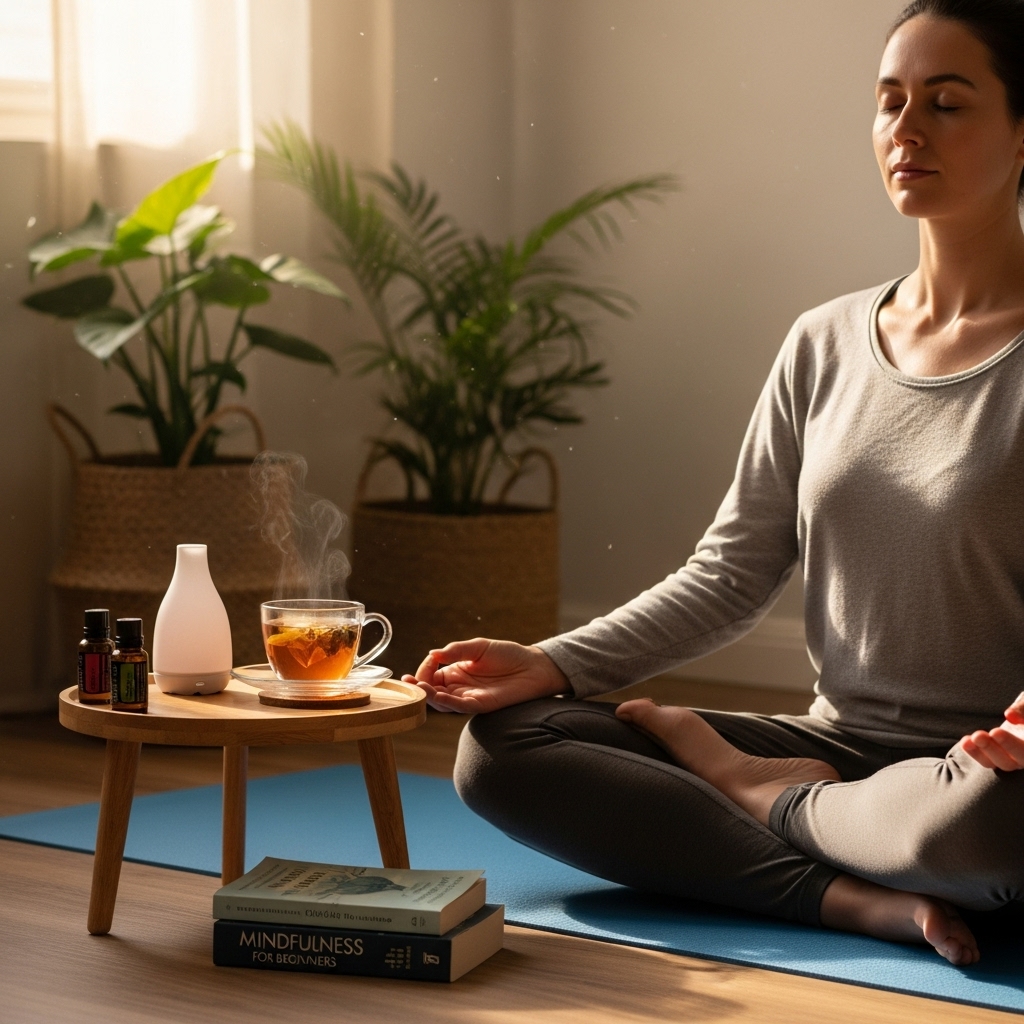
Mindfulness and meditation are powerful tools for managing anxiety attacks naturally. These practices involve focusing on the present moment, without judgment, to reduce worries about the past or future. Mindfulness can be practiced through activities such as meditation, deep breathing, or yoga, and can help individuals develop greater awareness of their thoughts and emotions, allowing them to better manage anxiety. Meditation, in particular, has been shown to reduce symptoms of anxiety and depression, and can be practiced anywhere, at any time. For example, a mindfulness meditation practice might involve focusing on the breath, a mantra, or a physical sensation in the body, to calm the mind and reduce anxiety.
Diet and Nutrition
Diet and nutrition play a crucial role in managing anxiety attacks naturally. A healthy diet rich in whole foods, fruits, vegetables, and omega-3 fatty acids can help reduce symptoms of anxiety. Foods that are high in sugar, caffeine, and processed ingredients can exacerbate anxiety, while foods that are rich in complex carbohydrates, such as whole grains, can help stabilize mood. Additionally, certain nutrients such as vitamin B12, magnesium, and GABA (gamma-aminobutyric acid) have been shown to have a calming effect on the body, reducing anxiety and promoting relaxation. For example, a diet rich in fermented foods, such as kimchi and sauerkraut, can provide a natural source of GABA, while a magnesium supplement can help reduce muscle tension and promote relaxation.
Conclusion
In conclusion, managing anxiety attacks naturally requires a comprehensive approach that incorporates a range of strategies, including breathing techniques, exercise, mindfulness, and diet. By understanding the causes and symptoms of anxiety attacks, and developing effective coping strategies, individuals can reduce the frequency and severity of anxiety attacks, and improve their overall quality of life. While natural strategies may not eliminate anxiety entirely, they can provide a powerful complement to traditional treatments, and offer a sense of control and empowerment for individuals living with anxiety. By incorporating these strategies into daily life, individuals can take the first step towards managing anxiety attacks naturally, and living a healthier, happier life.