
Introduction to Cognitive Computing Frameworks
Cognitive computing frameworks are a set of technologies and tools that enable computers to simulate human thought processes, including learning, reasoning, and decision-making. These frameworks are designed to help organizations make better decisions, improve customer experiences, and increase operational efficiency. In this article, we will explore the key components of cognitive computing frameworks and how they can be applied in various industries.
Definition and Overview of Cognitive Computing
Cognitive computing refers to the use of computer systems that can simulate human cognition, including perception, attention, memory, learning, and problem-solving. These systems use artificial intelligence (AI), machine learning (ML), and natural language processing (NLP) to analyze vast amounts of data and make decisions. Cognitive computing frameworks provide a structured approach to building and deploying these systems, enabling organizations to harness the power of cognitive computing.
For example, IBM's Watson is a well-known cognitive computing platform that uses NLP and ML to analyze large amounts of data and provide insights and recommendations. Watson has been applied in various industries, including healthcare, finance, and customer service.
Key Components of Cognitive Computing Frameworks
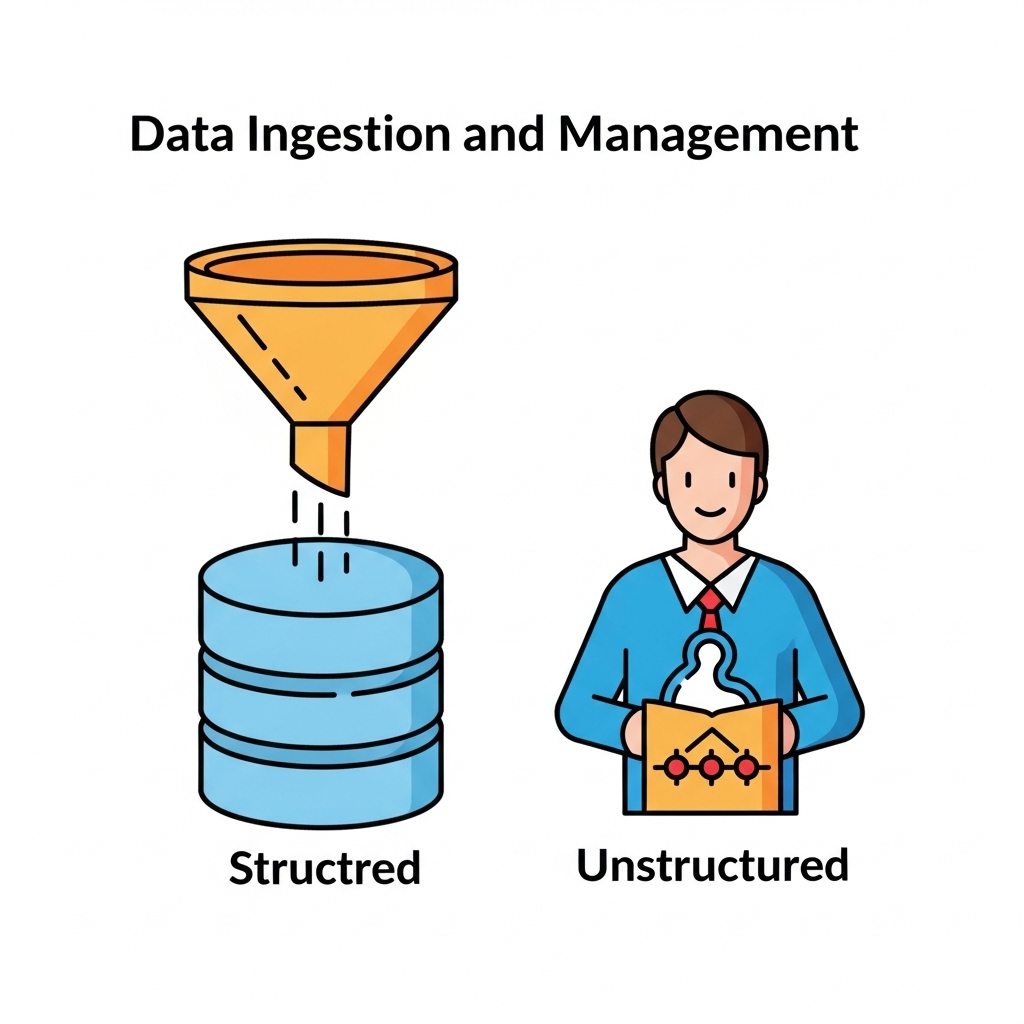
A cognitive computing framework typically consists of several key components, including data ingestion, data processing, analytics, and decision-making. Data ingestion involves collecting and integrating data from various sources, including sensors, databases, and social media. Data processing involves cleaning, transforming, and preparing the data for analysis. Analytics involves applying machine learning and statistical models to the data to extract insights and patterns. Decision-making involves using the insights and patterns to make recommendations or take actions.
For instance, a cognitive computing framework for healthcare might include data ingestion from electronic health records, medical imaging, and wearable devices. The framework would then apply analytics to identify high-risk patients, predict disease progression, and recommend personalized treatment plans.
Machine Learning and Artificial Intelligence
Machine learning and artificial intelligence are critical components of cognitive computing frameworks. Machine learning involves training algorithms on large datasets to enable them to learn patterns and make predictions. Artificial intelligence involves using these algorithms to make decisions and take actions. Cognitive computing frameworks use various machine learning and AI techniques, including supervised and unsupervised learning, deep learning, and reinforcement learning.
For example, a cognitive computing framework for customer service might use machine learning to analyze customer interactions and predict churn risk. The framework could then use AI to recommend personalized offers and interventions to retain high-risk customers.
Natural Language Processing and Human-Computer Interaction
Natural language processing (NLP) is another key component of cognitive computing frameworks. NLP involves using algorithms to analyze and understand human language, including text, speech, and gestures. Cognitive computing frameworks use NLP to enable humans to interact with computers in a more natural and intuitive way, using voice, text, or gesture-based interfaces.
For instance, a cognitive computing framework for virtual assistants might use NLP to analyze voice commands and respond with personalized recommendations and actions. The framework could also use NLP to analyze customer feedback and sentiment, enabling organizations to improve their products and services.
Applications and Use Cases
Cognitive computing frameworks have a wide range of applications and use cases, including healthcare, finance, customer service, and cybersecurity. In healthcare, cognitive computing frameworks can be used to analyze medical images, predict disease progression, and recommend personalized treatment plans. In finance, cognitive computing frameworks can be used to detect fraud, predict market trends, and optimize investment portfolios.
For example, a cognitive computing framework for cybersecurity might use machine learning and NLP to analyze network traffic and detect anomalies, enabling organizations to respond quickly to security threats. The framework could also use AI to predict and prevent cyber attacks, reducing the risk of data breaches and cyber attacks.
Conclusion
In conclusion, cognitive computing frameworks are a powerful set of technologies and tools that enable computers to simulate human thought processes, including learning, reasoning, and decision-making. The key components of cognitive computing frameworks include data ingestion, data processing, analytics, decision-making, machine learning, artificial intelligence, NLP, and human-computer interaction. These frameworks have a wide range of applications and use cases, including healthcare, finance, customer service, and cybersecurity. As the field of cognitive computing continues to evolve, we can expect to see even more innovative applications and use cases emerge.