
Introduction to Sense of Belonging
A sense of belonging is a fundamental human need that plays a crucial role in our emotional and mental well-being. It is the feeling of being accepted, valued, and connected to a particular group, community, or place. In diverse communities, creating a sense of belonging can be challenging due to the presence of different cultures, backgrounds, and identities. However, it is essential to foster a sense of belonging in these communities to promote social cohesion, inclusivity, and overall quality of life. In this article, we will explore the factors that create a sense of belonging in diverse communities and discuss strategies for promoting it.
Shared Values and Goals
One of the primary factors that create a sense of belonging in diverse communities is the presence of shared values and goals. When individuals from different backgrounds come together to work towards a common objective, they develop a sense of unity and purpose. For example, a community organization that aims to promote environmental sustainability can bring together people from different ethnic and socio-economic backgrounds who share a common passion for the cause. By working together towards a shared goal, individuals can develop a sense of belonging and connection with one another. Additionally, shared values such as respect, empathy, and inclusivity can help to create a sense of community and promote social cohesion.
Cultural Competence and Awareness
Cultural competence and awareness are essential for creating a sense of belonging in diverse communities. When individuals from different cultural backgrounds feel that their culture is respected and valued, they are more likely to feel a sense of belonging. This can be achieved through cultural events, festivals, and celebrations that showcase the diversity of the community. For instance, a community that hosts a cultural festival to celebrate the diversity of its residents can help to promote cross-cultural understanding and appreciation. Furthermore, cultural competence training programs can help individuals to develop a deeper understanding of different cultures and reduce stereotypes and biases.
Inclusive Spaces and Infrastructure
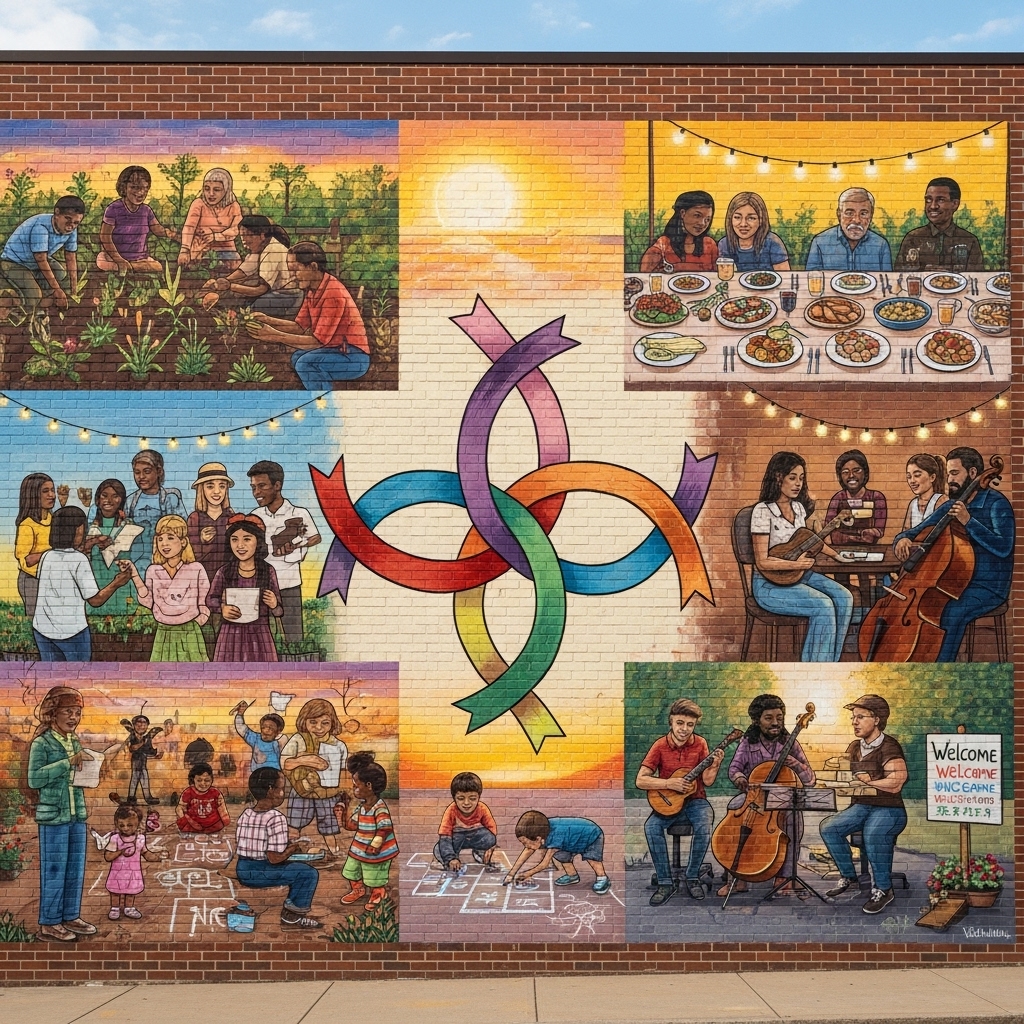
Inclusive spaces and infrastructure can also contribute to a sense of belonging in diverse communities. When public spaces are designed to be accessible and welcoming to all members of the community, individuals are more likely to feel a sense of belonging. For example, a community center that offers programs and services in multiple languages can help to create a sense of inclusivity and belonging among residents who speak different languages. Additionally, public art installations and community murals can help to reflect the diversity of the community and create a sense of pride and ownership among residents.
Community Engagement and Participation
Community engagement and participation are critical for creating a sense of belonging in diverse communities. When individuals are given opportunities to participate in decision-making processes and contribute to community initiatives, they are more likely to feel a sense of ownership and belonging. For instance, a community that has a participatory budgeting process can help to empower residents to take an active role in shaping the community's priorities and projects. Furthermore, volunteer opportunities and community events can help to bring people together and foster a sense of community and connection.
Leadership and Role Models
Leadership and role models can also play a significant role in creating a sense of belonging in diverse communities. When community leaders and role models promote inclusivity, diversity, and social cohesion, they can help to set a positive tone for the community. For example, a community leader who actively promotes cross-cultural understanding and respect can help to create a sense of belonging among residents from different cultural backgrounds. Additionally, role models who embody the values of inclusivity and diversity can inspire others to do the same and help to create a sense of community and connection.
Conclusion
In conclusion, creating a sense of belonging in diverse communities requires a multifaceted approach that takes into account the complex needs and experiences of community members. By promoting shared values and goals, cultural competence and awareness, inclusive spaces and infrastructure, community engagement and participation, and leadership and role models, communities can foster a sense of belonging and promote social cohesion. Ultimately, a sense of belonging is essential for the well-being and quality of life of community members, and it is the responsibility of community leaders, organizations, and individuals to work together to create inclusive and welcoming communities for all. By doing so, we can build stronger, more resilient communities that value and celebrate diversity in all its forms.