
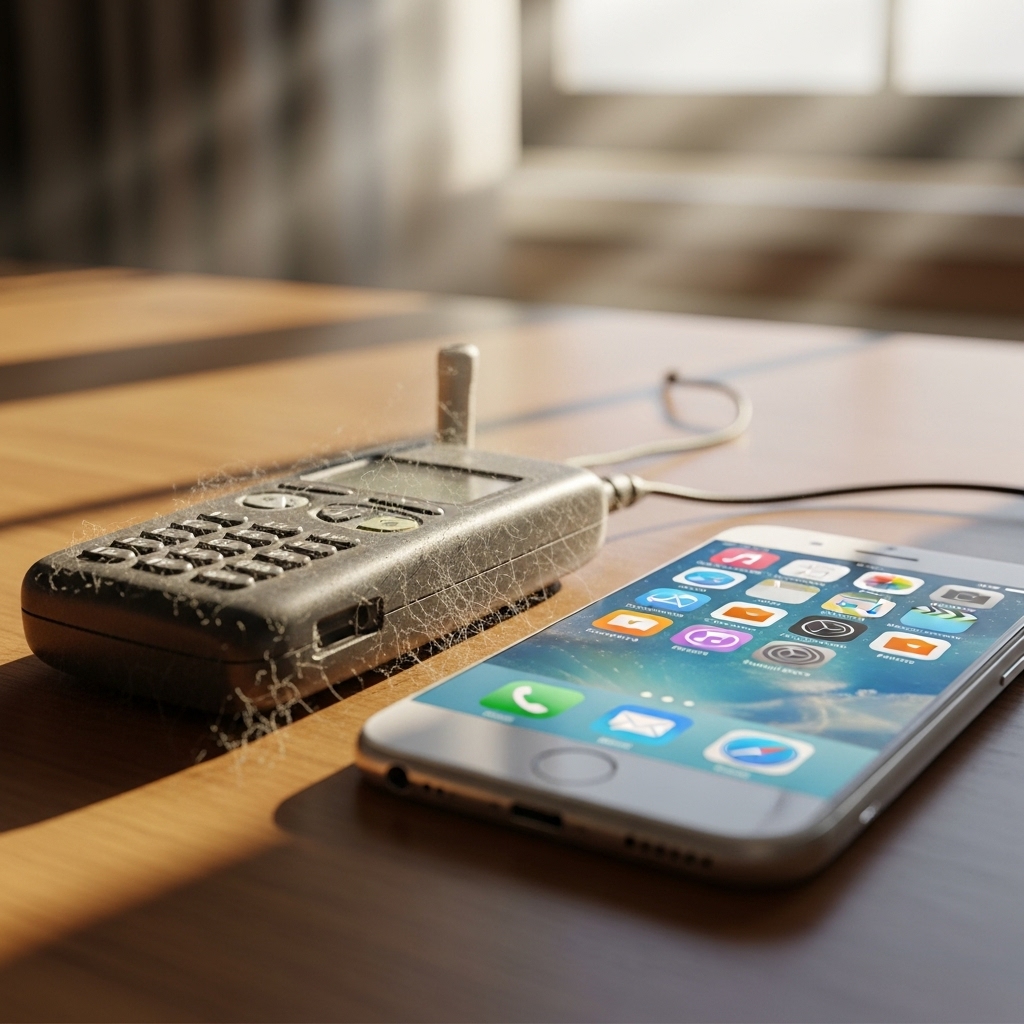
Introduction to Beepers and Pagers
In the pre-digital age, before the widespread use of mobile phones and smartphones, people relied on devices like beepers and pagers to receive short messages and notifications. These small, portable devices were a crucial means of communication, especially for professionals like doctors, emergency responders, and service technicians. But with the advent of mobile phones and the internet, beepers and pagers have largely become relics of the past. In this article, we'll explore what happened to beepers and pagers in the digital age and how they've been replaced by more modern technologies.
The Rise of Beepers and Pagers
Beepers, also known as pagers, were first introduced in the 1950s, but they didn't gain widespread popularity until the 1980s. These devices used radio frequencies to receive short messages, usually numeric or alphanumeric, from a central dispatch system. Beepers were simple, affordable, and reliable, making them an essential tool for people who needed to be reachable on the go. For example, doctors and nurses used beepers to receive patient updates and emergency alerts, while delivery drivers used them to receive pickup and drop-off instructions.
How Beepers and Pagers Worked
Beepers and pagers worked by receiving radio signals from a central dispatch system, which transmitted messages to the device. The device would then beep or vibrate to alert the user, who could then call a phone number or respond to the message. The messages were usually short, ranging from a few numbers to a short sentence. Beepers and pagers used a variety of protocols, including tone and voice paging, to transmit messages. For instance, tone paging used a series of tones to convey numeric messages, while voice paging allowed users to receive short voice messages.
The Decline of Beepers and Pagers
The decline of beepers and pagers began in the late 1990s, with the introduction of mobile phones and text messaging. Mobile phones offered a more convenient and flexible way to communicate, allowing users to send and receive longer messages, make voice calls, and access the internet. As mobile phone networks expanded and prices decreased, more people began to switch from beepers and pagers to mobile phones. Additionally, the rise of email, instant messaging, and social media further reduced the need for beepers and pagers.
Modern Alternatives to Beepers and Pagers
Today, there are many modern alternatives to beepers and pagers, including smartphones, two-way radios, and messaging apps. Smartphones offer a wide range of communication options, including voice and video calls, text messaging, email, and social media. Two-way radios, like walkie-talkies, are still used in some industries, such as construction and hospitality, where instant communication is critical. Messaging apps, like WhatsApp and Slack, offer a convenient way to send and receive messages, share files, and collaborate with others.
Niche Uses for Beepers and Pagers
Although beepers and pagers are no longer widely used, they still have some niche applications. For example, some hospitals and healthcare organizations still use pagers to communicate with staff, as they are often more reliable and secure than mobile phones. Additionally, some industries, like aviation and maritime, use pagers to communicate with personnel in areas with limited mobile phone coverage. Beepers and pagers are also still used in some developing countries, where mobile phone infrastructure is limited.
Conclusion
In conclusion, beepers and pagers were an essential means of communication in the pre-digital age, but they have largely been replaced by more modern technologies like mobile phones and messaging apps. While they still have some niche applications, their use has declined significantly in recent years. As technology continues to evolve, it's likely that new communication methods will emerge, further reducing the need for beepers and pagers. However, it's interesting to look back at the history of these devices and appreciate the role they played in shaping the way we communicate today.