
Introduction to Public Health Administration and Policy
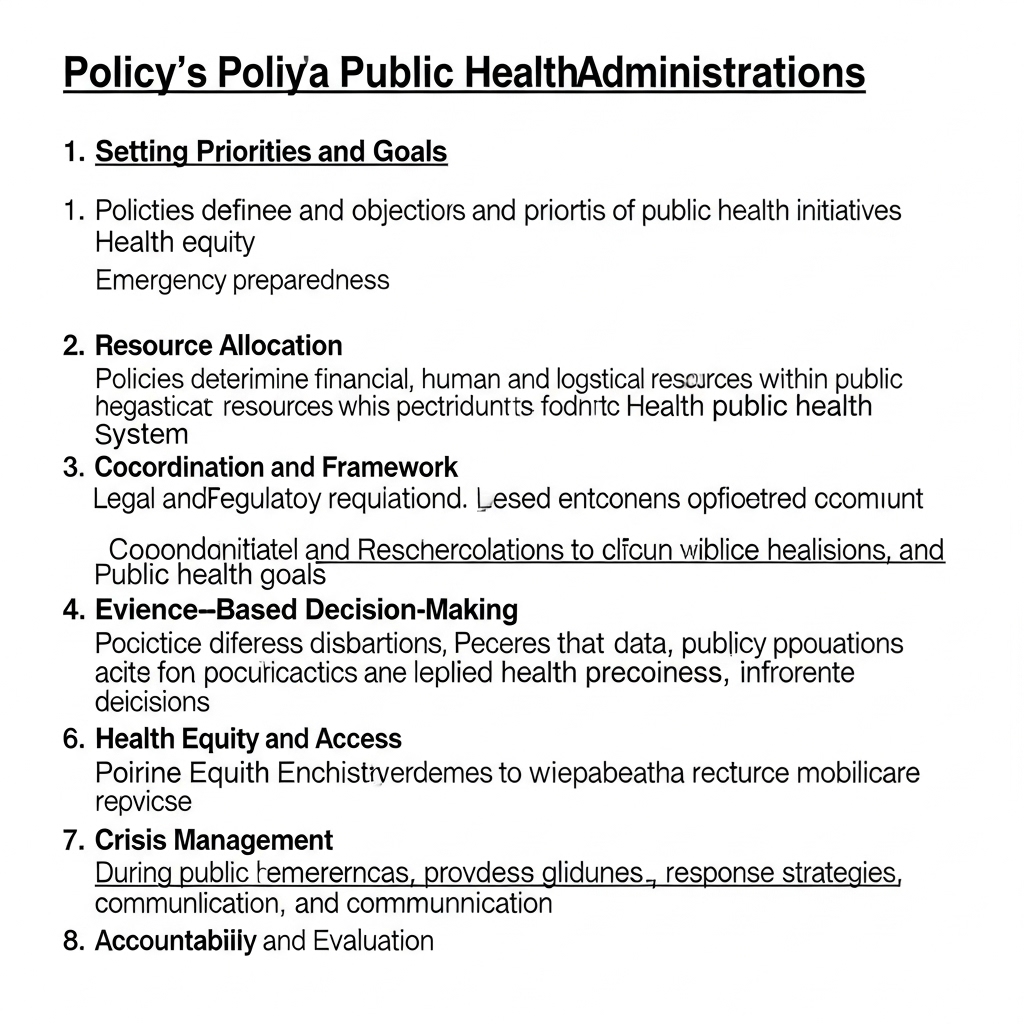
Public health administration is a vital field that focuses on preventing disease and promoting health at the population level. It encompasses a wide range of activities, including policy development, program planning, and service delivery. Policy plays a crucial role in shaping public health administration decisions, as it sets the framework for the development and implementation of public health programs and services. In this article, we will explore the role of policy in shaping public health administration decisions and examine the various ways in which policy influences the field.
Defining Policy and Its Importance in Public Health
Policy refers to a set of principles, rules, or guidelines that govern the behavior of individuals or organizations. In the context of public health, policy can take many forms, including laws, regulations, and guidelines. Policy is important in public health because it provides a framework for decision-making and ensures that public health programs and services are delivered in a consistent and equitable manner. For example, the Affordable Care Act (ACA) is a policy that has had a significant impact on public health in the United States, expanding health insurance coverage to millions of Americans and improving access to preventive care.
The Policy-Making Process in Public Health Administration
The policy-making process in public health administration involves several stages, including agenda-setting, policy formulation, adoption, implementation, and evaluation. Agenda-setting refers to the process of identifying and prioritizing public health issues that require policy attention. Policy formulation involves the development of policy options and the selection of the most effective and feasible solution. Adoption refers to the process of approving and endorsing the policy, while implementation involves putting the policy into practice. Finally, evaluation involves assessing the impact and effectiveness of the policy. For instance, the development of the Healthy People 2020 initiative involved a comprehensive policy-making process, with input from stakeholders and experts in the field.
Types of Policies That Influence Public Health Administration Decisions
There are several types of policies that influence public health administration decisions, including health policies, social policies, and economic policies. Health policies are specifically designed to promote health and prevent disease, while social policies address the social determinants of health, such as education and housing. Economic policies, on the other hand, can have a significant impact on public health, as they influence the availability and affordability of healthcare services. For example, policies that increase the minimum wage or provide tax credits for small businesses can have a positive impact on public health by reducing poverty and improving access to healthcare.
The Impact of Policy on Public Health Administration Decisions
Policy has a significant impact on public health administration decisions, as it influences the development and implementation of public health programs and services. Policy can also influence the allocation of resources, with policies that prioritize certain health issues or populations over others. For example, the Ryan White HIV/AIDS Program is a policy that provides funding and guidance for HIV/AIDS care and treatment, and has had a significant impact on the lives of people living with HIV/AIDS. Additionally, policy can influence the way in which public health services are delivered, with policies that promote community-based care or patient-centered care.
Challenges and Opportunities in Policy Development and Implementation
There are several challenges and opportunities in policy development and implementation in public health administration. One of the main challenges is the need to balance competing interests and priorities, as policymakers must weigh the needs of different stakeholders and make difficult decisions about resource allocation. Another challenge is the need to ensure that policies are evidence-based and effective, which requires ongoing evaluation and research. Despite these challenges, there are also opportunities for innovation and improvement, such as the use of technology to improve healthcare access and outcomes. For example, telehealth policies have expanded access to healthcare services in rural and underserved areas, and have improved health outcomes for patients with chronic conditions.
Conclusion
In conclusion, policy plays a critical role in shaping public health administration decisions, influencing the development and implementation of public health programs and services. Understanding the policy-making process and the types of policies that influence public health administration decisions is essential for public health professionals, policymakers, and stakeholders. By working together to develop and implement effective policies, we can promote health, prevent disease, and improve the well-being of individuals and communities. As the field of public health administration continues to evolve, it is likely that policy will remain a key driver of innovation and improvement, and will play an increasingly important role in shaping the future of public health.