
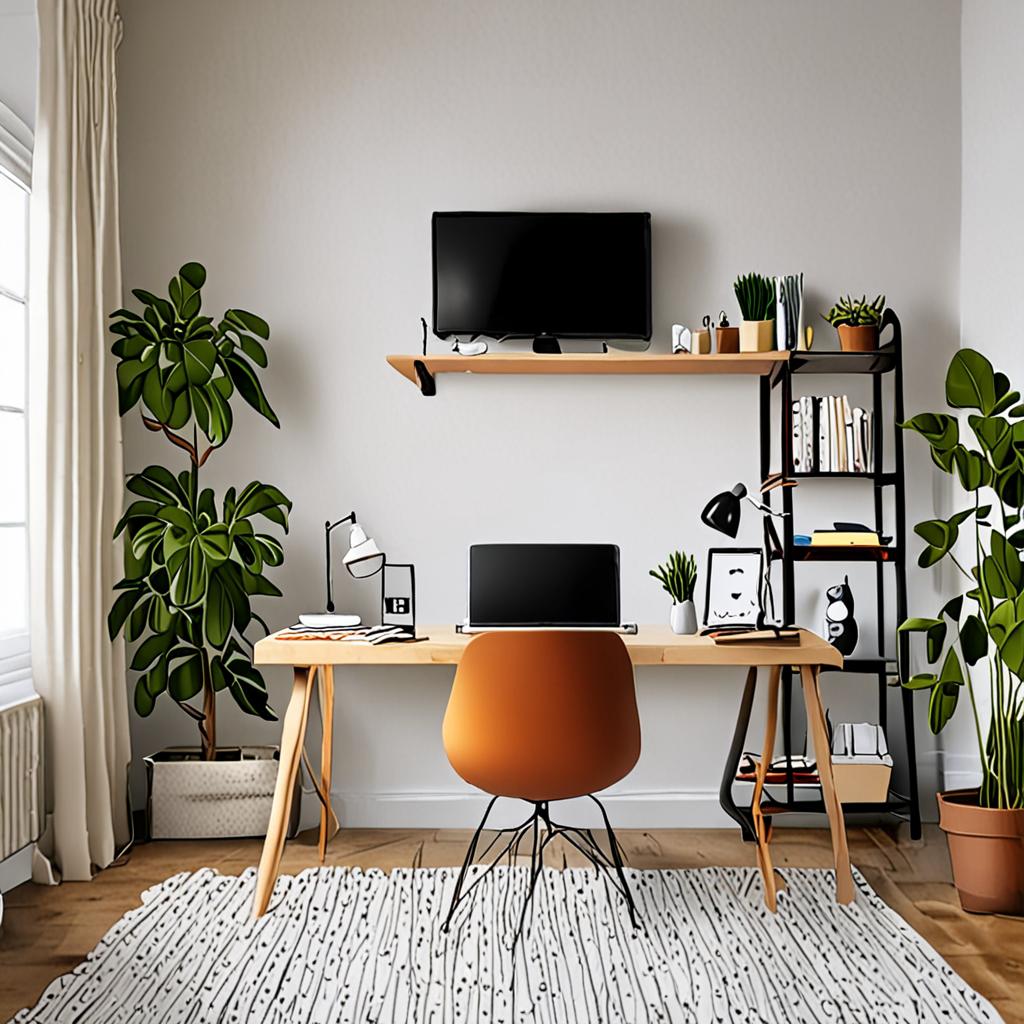
Creating a sustainable home office is about pairing comfort with responsibility. A eco-friendly workspace doesn't have to cost a fortune or look sparse; it can be stylish, practical, and energy efficient.
Why a sustainable home office matters
Beyond reducing your carbon footprint, a well designed eco friendly workspace can boost focus and productivity. Natural light, a calm color palette, and clean air are proven to improve well being and work quality.
Key elements of an eco friendly setup
- Lighting that saves energy and enhances mood: choose LED bulbs, maximize daylight, and control lighting with dimmers or smart plugs.
- Ergonomic furniture: invest in a supportive chair, a sit stand desk, and desk accessories made from recycled materials.
- Indoor plants: they improve air quality and add biophilic design.
- Low to no VOC finishes: paints and furnishings with low volatile organic compounds.
- Cable management and organization: a tidy space reduces cognitive load and saves time.
Budget and maintenance tips: start with a plan, measure your space, and reuse or repurpose furniture you already own. Look for certified sustainable products and check product lifecycle.
Practical setup ideas
Daylight optimization: position the desk near a window, use light color walls to reflect natural light, and avoid glare with curtains. Energy efficiency: use power strips, timers, and energy monitoring to track usage.
Biophilic accents: add one or two easy care plants like snake plant or pothos. These are low maintenance and improve air quality.
Rethinking materials: choose recycled plastic, bamboo, or reclaimed wood for accessories and storage. These choices support circular economy and reduce waste.
Maintenance plan: monthly check on air quality, dusting of vents, replaced filters if you have HVAC, and quarterly review of desk setup to maintain ergonomics.