
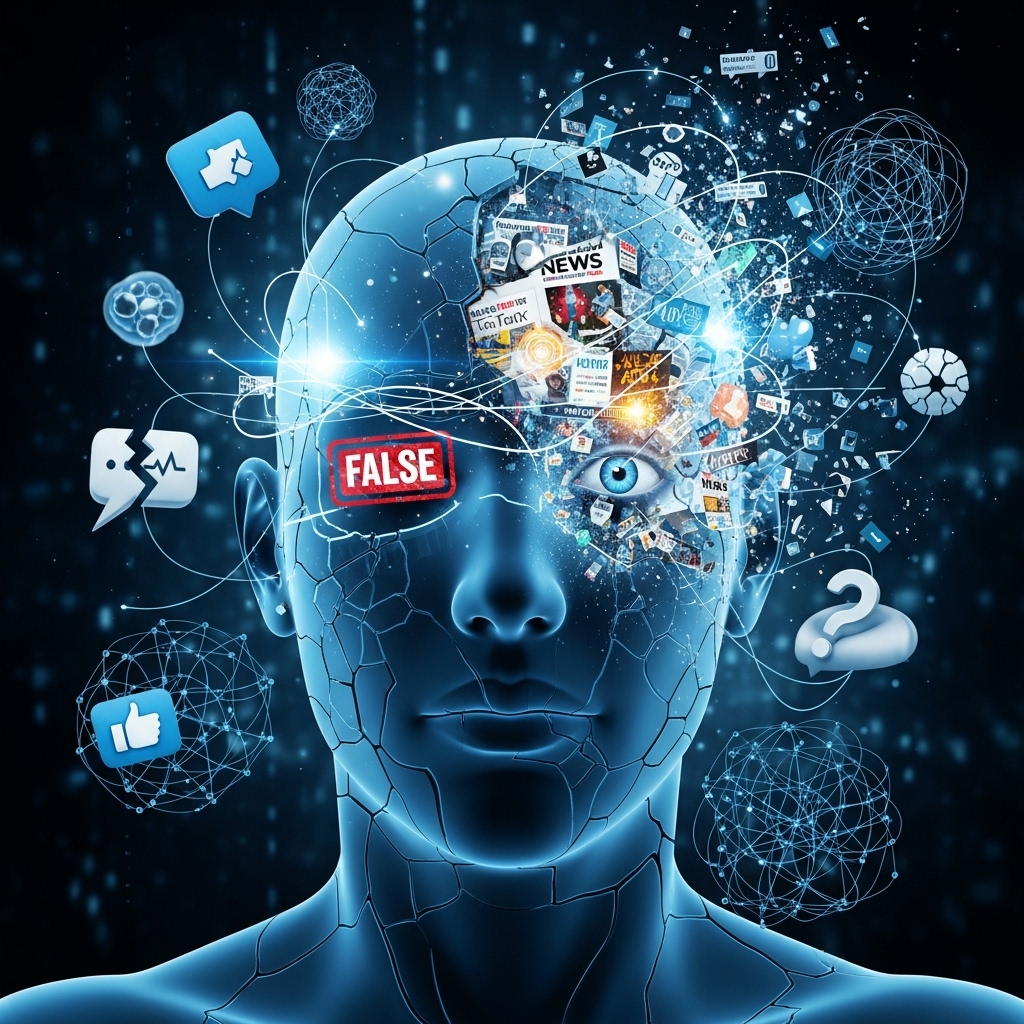
Introduction to Misinformation in Digital Communication
The advent of digital communication has revolutionized the way we share and consume information. With the rise of social media, online news outlets, and messaging apps, information can spread rapidly and reach a vast audience in a matter of seconds. However, this increased accessibility and speed have also given rise to a significant problem: the spread of misinformation. Misinformation refers to false or inaccurate information that is spread, often unintentionally, through digital communication channels. The ethical implications of misinformation in digital communication are far-reaching and can have serious consequences, affecting individuals, communities, and society as a whole.
Understanding the Sources of Misinformation
Misinformation can arise from various sources, including social media platforms, online news outlets, and even individuals. On social media, misinformation can spread quickly through shares, likes, and comments, often without being fact-checked or verified. For instance, during the COVID-19 pandemic, false claims about the virus's origins, symptoms, and treatments spread rapidly on social media, leading to confusion and harm. Similarly, online news outlets may publish misleading or inaccurate information, either intentionally or unintentionally, which can then be shared and amplified by readers. Individuals can also contribute to the spread of misinformation by sharing false information on social media or through messaging apps, often without realizing the harm it can cause.
The Consequences of Misinformation
The consequences of misinformation can be severe and far-reaching. For individuals, misinformation can lead to confusion, anxiety, and harm. For example, during the pandemic, false claims about the effectiveness of certain treatments or the safety of vaccines led some individuals to make uninformed decisions about their health, putting themselves and others at risk. At a community level, misinformation can exacerbate social divisions, fuel prejudice, and even incite violence. The spread of false information about minority groups, for instance, can contribute to discrimination and hatred. On a societal level, misinformation can undermine trust in institutions, such as governments and media outlets, and erode the foundations of democracy.
The Role of Social Media in Spreading Misinformation
Social media platforms play a significant role in the spread of misinformation. Their algorithms, designed to prioritize engagement and user interaction, can inadvertently amplify false information, making it more visible and accessible to a wider audience. Additionally, social media platforms often lack robust fact-checking mechanisms, allowing false information to spread unchecked. The lack of transparency and accountability on social media platforms can also make it difficult to track the origin of misinformation and hold those responsible accountable. For example, during the 2016 US presidential election, Russian operatives used social media to spread false information and influence public opinion, highlighting the potential for social media to be used as a tool for misinformation and manipulation.
Strategies for Mitigating Misinformation
To mitigate the spread of misinformation, it is essential to develop strategies that promote critical thinking, media literacy, and fact-checking. Individuals can take steps to verify information before sharing it, using fact-checking websites and reputable sources to confirm the accuracy of claims. Social media platforms can also implement measures to reduce the spread of misinformation, such as labeling suspicious content, providing fact-checking tools, and promoting media literacy. Furthermore, governments and institutions can play a crucial role in promoting transparency and accountability, by implementing regulations and laws that hold those responsible for spreading misinformation accountable. For instance, some countries have introduced laws that require social media platforms to remove false information and provide fact-checking tools to users.
Conclusion: The Importance of Ethical Digital Communication
In conclusion, the spread of misinformation in digital communication has significant ethical implications, affecting individuals, communities, and society as a whole. To address this issue, it is essential to understand the sources of misinformation, the consequences of its spread, and the role of social media in amplifying false information. By developing strategies that promote critical thinking, media literacy, and fact-checking, we can mitigate the spread of misinformation and promote ethical digital communication. Ultimately, it is our collective responsibility to ensure that digital communication is used in a way that promotes truth, accuracy, and respect for others, and to recognize the importance of ethical digital communication in maintaining a healthy and informed society.