
Introduction to Minimally Invasive Surgical Techniques
Minimally invasive surgical techniques have revolutionized the field of surgery, offering patients less pain, reduced scarring, and faster recovery times. These techniques, which involve smaller incisions and less tissue damage, have become increasingly popular over the past few decades. Recent advances in technology and surgical methods have further expanded the possibilities of minimally invasive surgery, enabling surgeons to perform complex procedures with greater precision and accuracy. In this article, we will explore the latest advances in minimally invasive surgical techniques, highlighting the benefits, examples, and future directions of this rapidly evolving field.
Advances in Laparoscopic Surgery
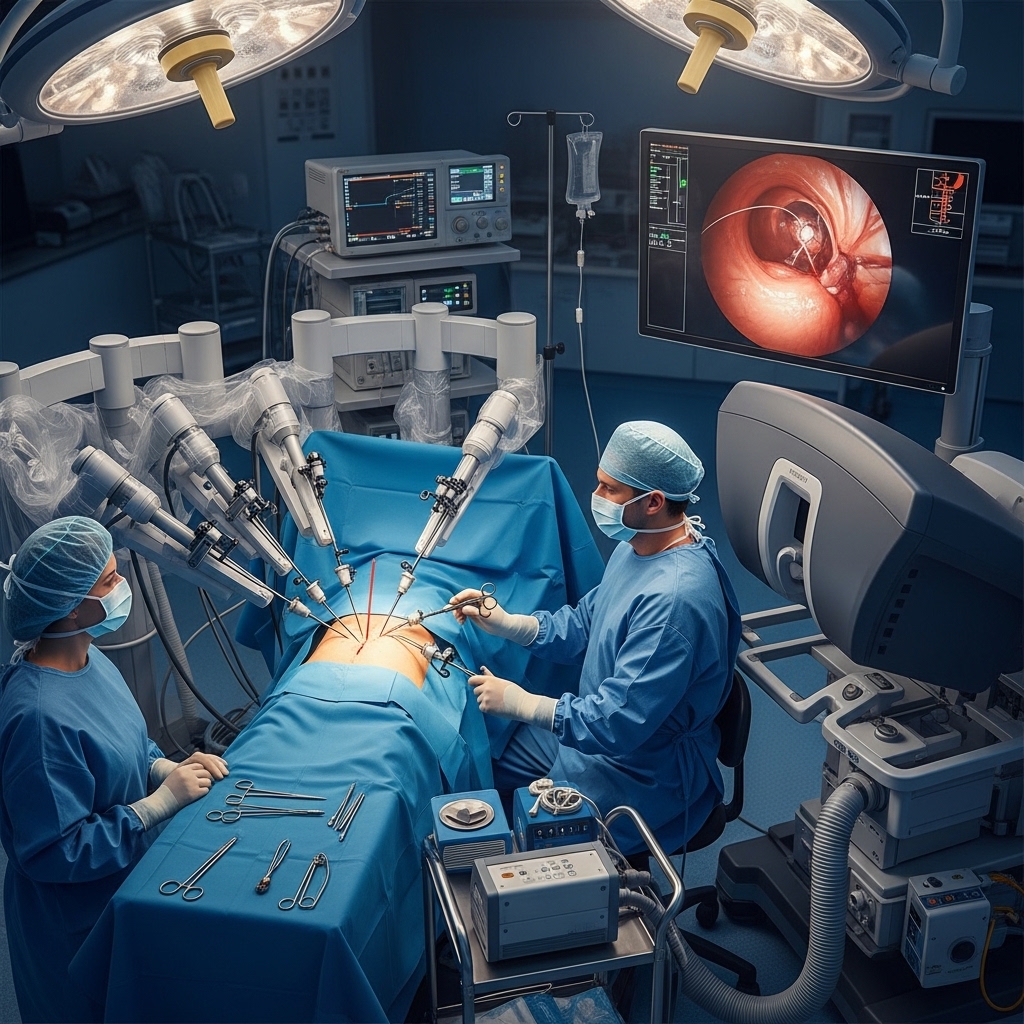
Laparoscopic surgery, also known as keyhole surgery, involves inserting a thin tube with a camera and surgical instruments through small incisions in the abdomen. Recent advances in laparoscopic surgery include the development of high-definition cameras, improved instrument design, and enhanced visualization techniques. For example, the use of 3D visualization systems allows surgeons to see the surgical site in greater detail, enabling more precise dissection and reduced bleeding. Additionally, the introduction of robotic-assisted laparoscopic systems, such as the da Vinci Surgical System, has further enhanced the precision and dexterity of laparoscopic procedures.
Single-Incision Laparoscopic Surgery
Single-incision laparoscopic surgery (SILS) is a variation of traditional laparoscopic surgery that involves making only one incision, typically through the navel. This approach reduces scarring and can lead to less post-operative pain and faster recovery times. SILS has been successfully applied to a range of procedures, including cholecystectomies, appendectomies, and hysterectomies. However, SILS can be more challenging than traditional laparoscopic surgery, requiring specialized training and equipment. The development of new instruments and techniques, such as flexible scopes and articulating instruments, has helped to overcome some of the technical challenges associated with SILS.
Natural Orifice Transluminal Endoscopic Surgery (NOTES)
Natural Orifice Transluminal Endoscopic Surgery (NOTES) is a minimally invasive technique that involves accessing the abdominal cavity through a natural orifice, such as the mouth or vagina. This approach eliminates the need for external incisions, reducing scarring and potentially minimizing post-operative pain. NOTES has been used to perform a range of procedures, including cholecystectomies, appendectomies, and tubal ligations. While NOTES is still a relatively new and experimental technique, it holds promise for reducing recovery times and improving patient outcomes.
Robotic-Assisted Surgery
Robotic-assisted surgery involves the use of robotic systems, such as the da Vinci Surgical System, to enhance the precision and dexterity of surgical procedures. These systems typically consist of a console, a patient-side cart, and a high-definition vision system. Robotic-assisted surgery has been successfully applied to a range of procedures, including prostatectomies, hysterectomies, and mitral valve repairs. The benefits of robotic-assisted surgery include improved visualization, reduced blood loss, and faster recovery times. Additionally, robotic systems can be used to perform complex procedures that would be difficult or impossible to perform using traditional laparoscopic techniques.
Minimally Invasive Orthopedic Surgery
Minimally invasive orthopedic surgery involves the use of small incisions and specialized instruments to repair or replace damaged joints and bones. Recent advances in minimally invasive orthopedic surgery include the development of new implant designs, improved instrumentation, and enhanced imaging techniques. For example, the use of computer-assisted navigation systems can help surgeons to accurately align and position implants, reducing the risk of complications and improving patient outcomes. Minimally invasive orthopedic surgery has been successfully applied to a range of procedures, including hip and knee replacements, shoulder arthroscopies, and spinal fusions.
Conclusion and Future Directions
In conclusion, the latest advances in minimally invasive surgical techniques have transformed the field of surgery, offering patients less pain, reduced scarring, and faster recovery times. From laparoscopic surgery to robotic-assisted surgery, these techniques have expanded the possibilities of minimally invasive surgery, enabling surgeons to perform complex procedures with greater precision and accuracy. As technology continues to evolve, we can expect to see further innovations in minimally invasive surgery, including the development of new instruments, improved imaging techniques, and enhanced robotic systems. Ultimately, the goal of minimally invasive surgery is to provide patients with the best possible outcomes, while minimizing the risks and complications associated with traditional open surgery.