
Introduction to Anxiety Disorders
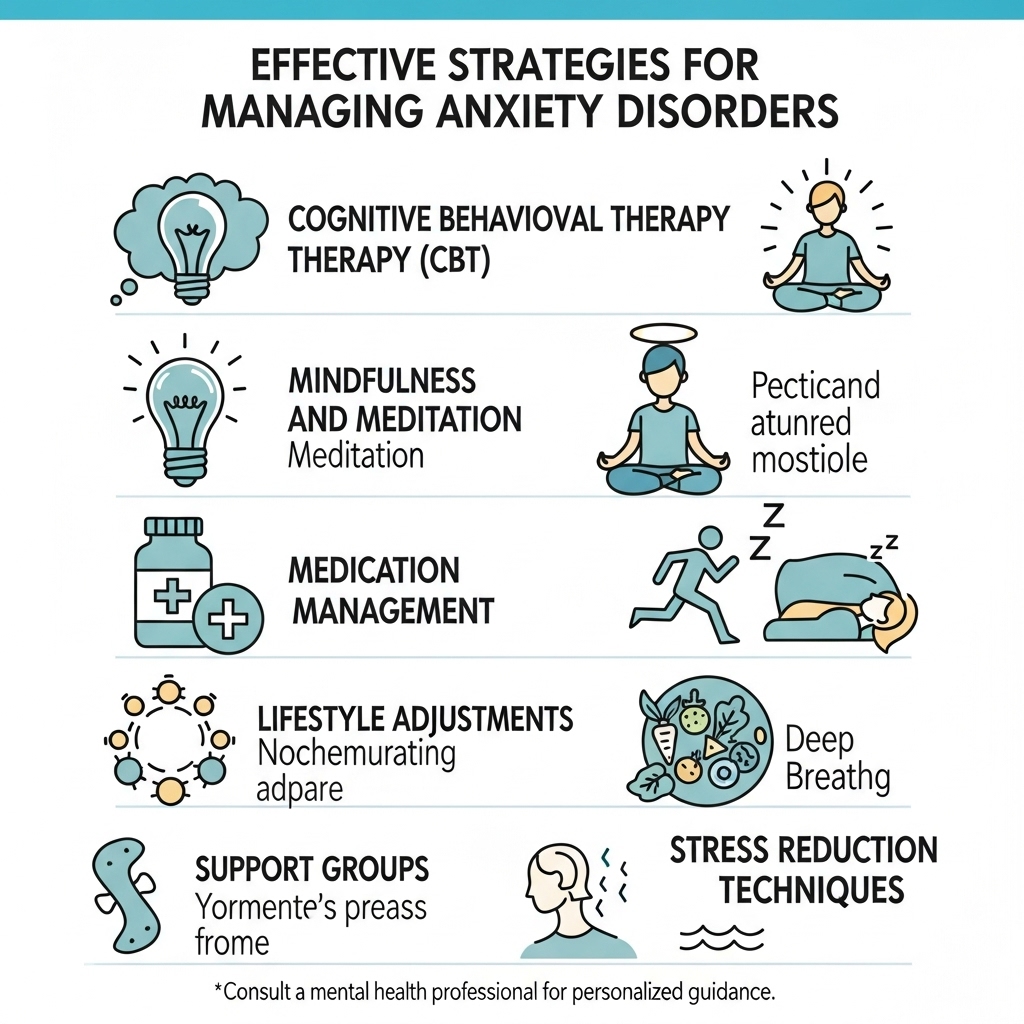
Anxiety disorders are a common mental health challenge that affects millions of people worldwide. Characterized by excessive and persistent fear, worry, or anxiety that interferes with an individual's daily life, anxiety disorders can be debilitating if left untreated. The most common types of anxiety disorders include generalized anxiety disorder, panic disorder, social anxiety disorder, and phobias. Managing anxiety disorders requires a comprehensive approach that incorporates lifestyle changes, therapy, and in some cases, medication. In this article, we will explore the most effective strategies for managing anxiety disorders.
Understanding the Causes of Anxiety Disorders
Before we dive into the strategies for managing anxiety disorders, it's essential to understand the causes of these conditions. Anxiety disorders can be caused by a combination of genetic, environmental, and psychological factors. Traumatic events, stress, and significant life changes can trigger anxiety disorders in some individuals. Additionally, certain personality traits, such as perfectionism and low self-esteem, can also contribute to the development of anxiety disorders. Understanding the underlying causes of anxiety disorders can help individuals develop effective coping strategies and seek appropriate treatment.
Cognitive-Behavioral Therapy (CBT) for Anxiety Disorders
Cognitive-behavioral therapy (CBT) is a highly effective treatment for anxiety disorders. CBT is a type of talk therapy that helps individuals identify and change negative thought patterns and behaviors that contribute to their anxiety. Through CBT, individuals can learn to recognize and challenge their negative thoughts, develop coping skills, and learn relaxation techniques to manage anxiety. For example, an individual with social anxiety disorder may learn to challenge their negative thoughts about social interactions and develop skills to manage their anxiety in social situations. CBT can be conducted individually or in a group setting and has been shown to be highly effective in reducing symptoms of anxiety disorders.
Lifestyle Changes for Managing Anxiety Disorders
Lifestyle changes can play a significant role in managing anxiety disorders. Regular exercise, healthy eating, and adequate sleep are essential for reducing symptoms of anxiety. Exercise, in particular, has been shown to have a positive impact on anxiety symptoms, as it releases endorphins, which are natural mood-boosters. Additionally, avoiding caffeine, nicotine, and other stimulants can help reduce anxiety symptoms. Engaging in relaxing activities, such as yoga, meditation, or deep breathing exercises, can also help individuals manage anxiety. For instance, an individual with generalized anxiety disorder may find that practicing yoga or meditation helps them relax and reduce their anxiety symptoms.
Medications for Anxiety Disorders
In some cases, medication may be necessary to manage anxiety disorders. Selective serotonin reuptake inhibitors (SSRIs) and benzodiazepines are commonly prescribed medications for anxiety disorders. SSRIs, such as fluoxetine and sertraline, work by increasing the levels of serotonin in the brain, which helps to reduce anxiety symptoms. Benzodiazepines, such as alprazolam and clonazepam, work by slowing down the nervous system, which can help to reduce anxiety symptoms. However, benzodiazepines can be habit-forming and are typically prescribed for short-term use. It's essential to work with a healthcare professional to determine the best course of treatment and to monitor the effectiveness of medication.
Alternative Therapies for Anxiety Disorders
Alternative therapies, such as acupuncture, herbal supplements, and mindfulness-based therapies, may also be effective in managing anxiety disorders. Acupuncture, for example, has been shown to reduce symptoms of anxiety by stimulating certain points on the body. Herbal supplements, such as passionflower and kava, may also help to reduce anxiety symptoms. Mindfulness-based therapies, such as mindfulness-based stress reduction (MBSR), can help individuals develop greater awareness of their thoughts and feelings, which can help to reduce anxiety symptoms. While these alternative therapies may be effective, it's essential to consult with a healthcare professional before using them, as they may interact with other treatments or have side effects.
Conclusion
In conclusion, managing anxiety disorders requires a comprehensive approach that incorporates lifestyle changes, therapy, and in some cases, medication. Cognitive-behavioral therapy, lifestyle changes, and medications are all effective strategies for managing anxiety disorders. Alternative therapies, such as acupuncture and herbal supplements, may also be helpful. It's essential to work with a healthcare professional to determine the best course of treatment and to monitor the effectiveness of treatment. With the right treatment and support, individuals with anxiety disorders can learn to manage their symptoms and improve their quality of life. By understanding the causes of anxiety disorders and developing effective coping strategies, individuals can take the first step towards managing their anxiety and living a healthier, happier life.