
Introduction to Digital Governance Platforms
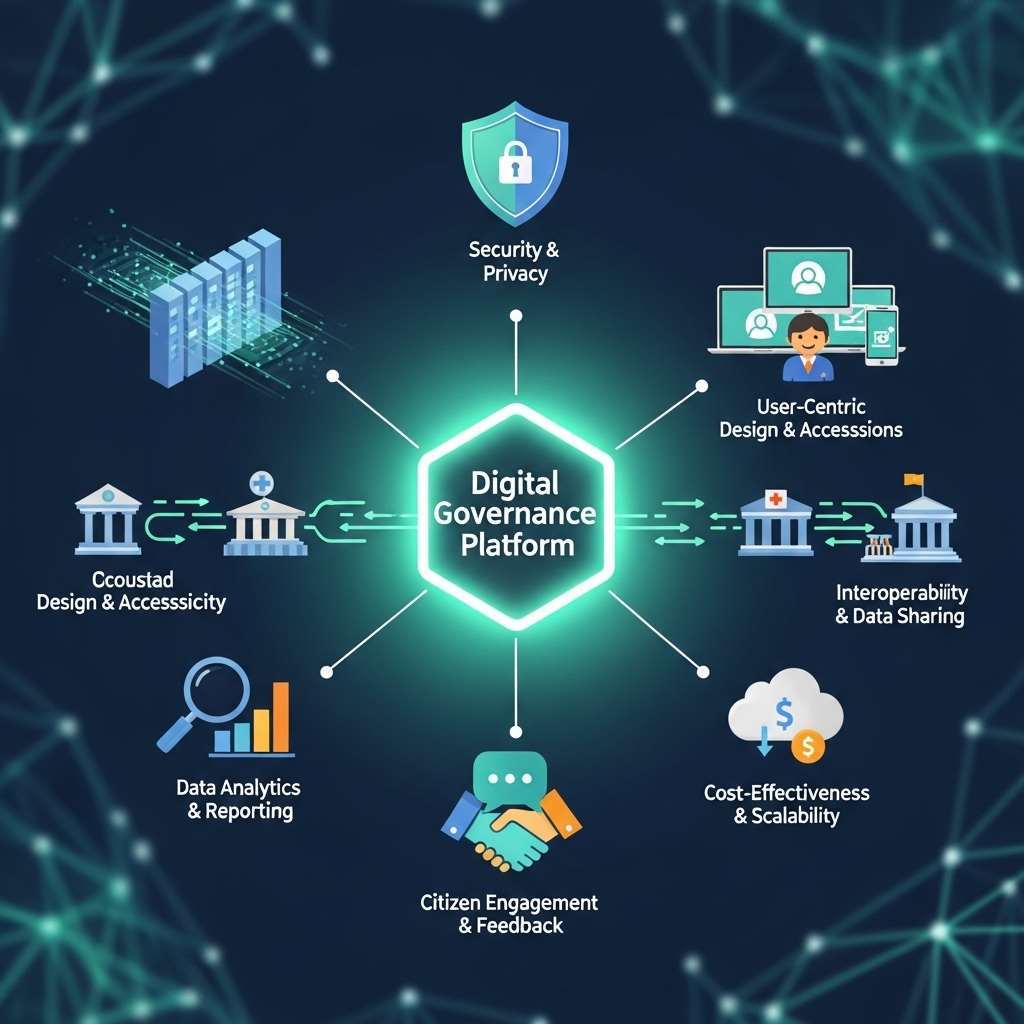
Digital governance platforms have become essential tools for organizations seeking to manage their online presence, ensure compliance with regulations, and maintain a positive reputation. These platforms provide a centralized system for monitoring, managing, and optimizing an organization's digital footprint across various channels and touchpoints. Effective digital governance platforms are designed to help organizations navigate the complexities of the digital landscape, mitigate risks, and capitalize on opportunities. In this article, we will explore the key features that define effective digital governance platforms.
Key Features of Digital Governance Platforms
An effective digital governance platform should have several key features that enable organizations to manage their digital presence efficiently. These features include a centralized dashboard for monitoring and managing digital assets, automated compliance tools, and analytics and reporting capabilities. For example, a platform like Siteimprove provides a comprehensive dashboard for monitoring website performance, accessibility, and SEO, allowing organizations to identify areas for improvement and optimize their digital presence. Additionally, platforms like Sprinklr offer automated compliance tools that help organizations ensure adherence to regulatory requirements and industry standards.
Content Management and Creation
Effective digital governance platforms should also have robust content management and creation capabilities. This includes tools for creating, editing, and publishing content across various channels, as well as features for managing content workflows and approvals. For instance, a platform like Adobe Experience Manager provides a comprehensive content management system that enables organizations to create, manage, and deliver personalized content experiences across multiple channels. Similarly, platforms like WordPress offer a range of content creation tools and plugins that make it easy to produce and publish high-quality content.
Risk Management and Compliance
Digital governance platforms should also have robust risk management and compliance features that help organizations mitigate risks and ensure adherence to regulatory requirements. This includes tools for monitoring and detecting potential risks, such as data breaches or reputational threats, as well as features for implementing and enforcing compliance policies. For example, a platform like Proofpoint provides advanced threat detection and response capabilities that help organizations protect themselves against cyber threats, while platforms like Thomson Reuters offer compliance solutions that enable organizations to manage regulatory risk and ensure adherence to industry standards.
Analytics and Reporting
Effective digital governance platforms should also have advanced analytics and reporting capabilities that provide organizations with insights into their digital performance. This includes tools for tracking key performance indicators (KPIs) such as website traffic, engagement, and conversion rates, as well as features for analyzing and reporting on digital metrics. For instance, a platform like Google Analytics provides comprehensive analytics and reporting capabilities that enable organizations to track their digital performance and make data-driven decisions. Similarly, platforms like Tableau offer advanced data visualization and reporting tools that help organizations gain insights into their digital data.
Integration and Scalability
Digital governance platforms should also be highly integrable and scalable, allowing organizations to easily integrate them with existing systems and tools. This includes APIs and SDKs that enable seamless integration with other platforms and applications, as well as features for scaling up or down to meet the needs of growing or evolving organizations. For example, a platform like Salesforce provides a range of APIs and SDKs that enable integration with other Salesforce products and third-party applications, while platforms like Amazon Web Services (AWS) offer scalable infrastructure and services that enable organizations to quickly scale up or down to meet changing needs.
Conclusion
In conclusion, effective digital governance platforms are essential for organizations seeking to manage their online presence, ensure compliance with regulations, and maintain a positive reputation. Key features of digital governance platforms include centralized dashboards, automated compliance tools, analytics and reporting capabilities, content management and creation tools, risk management and compliance features, and integration and scalability. By understanding these features and selecting a platform that meets their needs, organizations can navigate the complexities of the digital landscape, mitigate risks, and capitalize on opportunities. Whether it's a platform like Siteimprove, Sprinklr, or Adobe Experience Manager, the right digital governance platform can help organizations achieve their digital goals and stay ahead of the competition.