
Introduction to Palliative Radiation in Cancer Treatment
Palliative radiation, also known as palliative radiotherapy, is a type of radiation therapy used to alleviate symptoms and improve the quality of life for patients with cancer. Unlike curative radiation, which aims to eliminate the cancer, palliative radiation focuses on reducing the severity of symptoms caused by the disease. This approach is particularly important for patients with advanced or metastatic cancer, where the primary goal is to manage symptoms and improve comfort. In this article, we will explore the role of palliative radiation in cancer treatment, its benefits, and how it is used in various clinical scenarios.
What is Palliative Radiation Therapy?
Palliative radiation therapy involves the use of high-energy rays to destroy cancer cells that are causing symptoms. The goal of palliative radiation is to reduce the size of the tumor, alleviate pain, and improve symptoms such as bleeding, coughing, or shortness of breath. This type of therapy can be delivered externally, using a machine that directs radiation beams at the tumor site, or internally, using radioactive materials implanted directly into the tumor. Palliative radiation can be used to treat a wide range of cancer types, including lung, breast, prostate, and bone cancer.
Benefits of Palliative Radiation
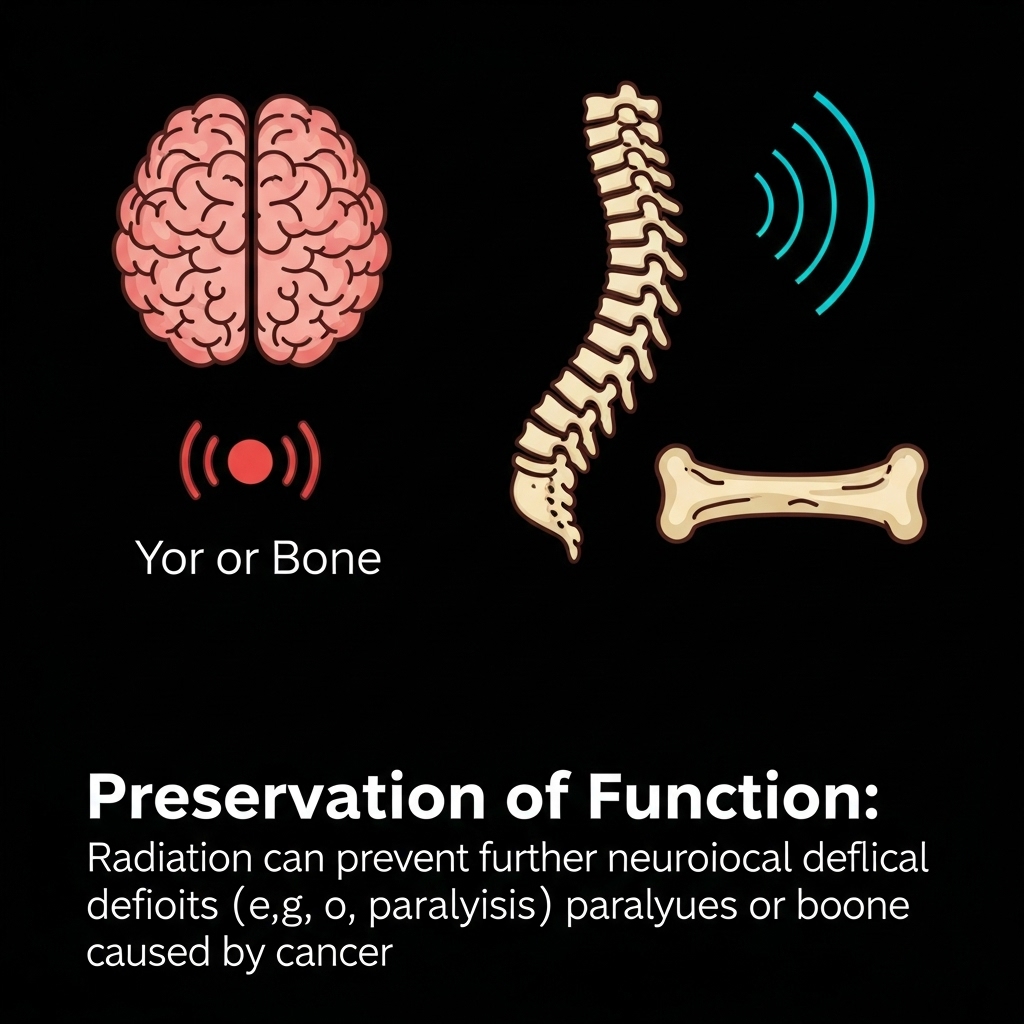
The benefits of palliative radiation are numerous. For patients with advanced cancer, palliative radiation can significantly improve their quality of life by reducing symptoms and improving comfort. For example, a patient with lung cancer may experience relief from coughing and shortness of breath after receiving palliative radiation to the chest. Similarly, a patient with bone cancer may experience reduced pain and improved mobility after receiving palliative radiation to the affected bone. Additionally, palliative radiation can help reduce the need for opioid pain medications, which can have significant side effects and impact a patient's quality of life.
Common Indications for Palliative Radiation
Palliative radiation is commonly used to treat a range of symptoms and conditions, including pain, bleeding, and obstruction. For example, palliative radiation can be used to treat bone pain caused by metastatic cancer, reducing the need for pain medications and improving mobility. It can also be used to treat bleeding caused by tumors in the lung, uterus, or rectum, reducing the need for blood transfusions and improving overall health. Additionally, palliative radiation can be used to relieve obstruction caused by tumors in the airways, esophagus, or bowel, improving breathing, eating, and digestion.
How is Palliative Radiation Delivered?
Palliative radiation can be delivered using a variety of techniques, including external beam radiation therapy (EBRT), stereotactic body radiation therapy (SBRT), and brachytherapy. EBRT involves the use of a machine that directs radiation beams at the tumor site from outside the body. SBRT involves the use of high doses of radiation delivered in a few fractions, typically 1-5 treatments. Brachytherapy involves the implantation of radioactive materials directly into the tumor site. The choice of delivery technique depends on the type and location of the tumor, as well as the patient's overall health and medical history.
Side Effects of Palliative Radiation
While palliative radiation can be highly effective in reducing symptoms and improving quality of life, it can also cause side effects. Common side effects of palliative radiation include fatigue, skin changes, and gastrointestinal symptoms such as nausea and diarrhea. In some cases, palliative radiation can also cause more severe side effects, such as radiation pneumonitis or radiation-induced fibrosis. However, these side effects are typically mild and temporary, and can be managed with medications and supportive care.
Conclusion
In conclusion, palliative radiation plays a critical role in the management of cancer symptoms and improvement of quality of life for patients with advanced or metastatic disease. By reducing symptoms such as pain, bleeding, and obstruction, palliative radiation can significantly improve a patient's comfort and overall well-being. While side effects can occur, they are typically mild and temporary, and can be managed with supportive care. As the field of palliative radiation continues to evolve, it is likely that new techniques and technologies will become available, further improving the delivery and effectiveness of palliative radiation therapy. For patients with cancer, palliative radiation is an important treatment option that can make a significant difference in their quality of life.