
Introduction
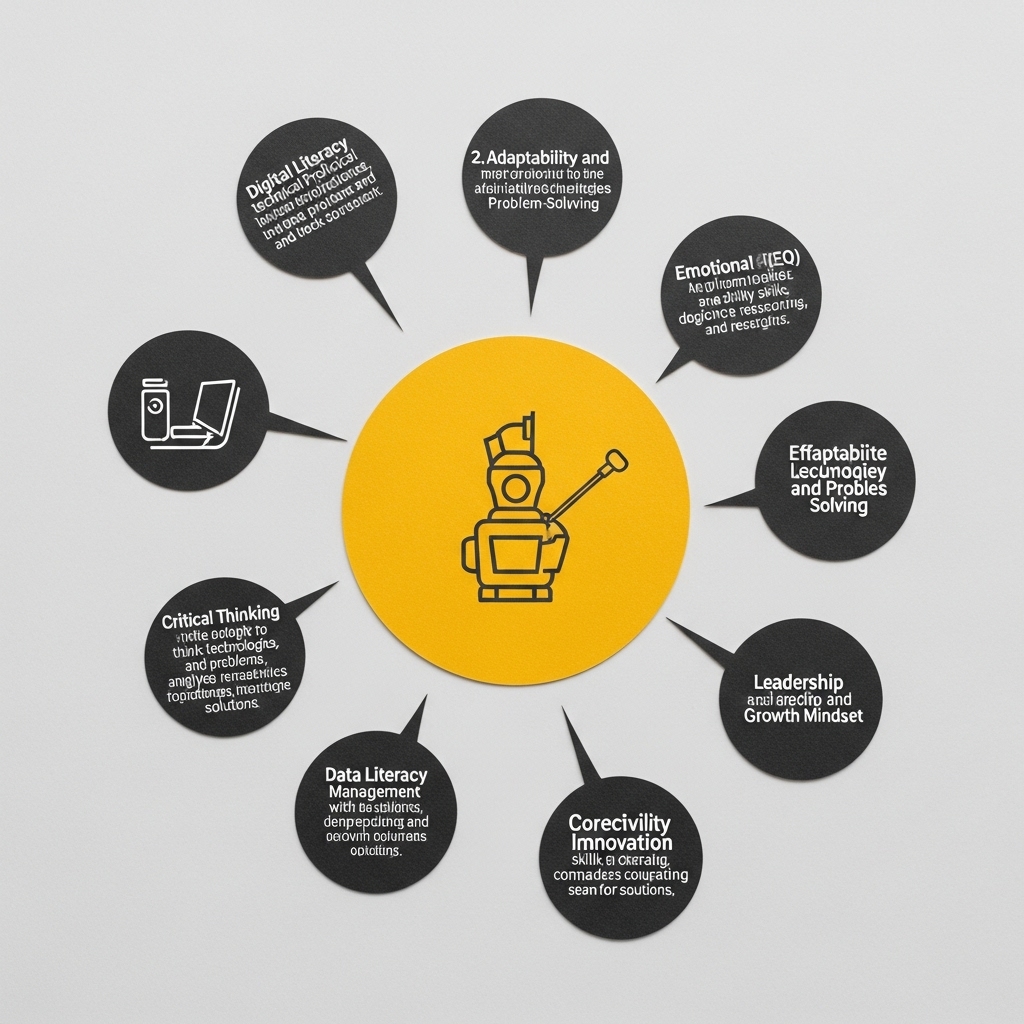
The future of work is a topic of much discussion and debate, with many experts predicting significant changes in the job market and the skills required to succeed. As technology continues to advance and automation becomes more prevalent, it's essential to consider what skills will be most valuable in the future of work. In this article, we'll explore the key skills that will be in high demand and provide examples of how they can be developed and applied in various industries.
The Rise of Soft Skills
While technical skills will always be important, soft skills are becoming increasingly valuable in the future of work. Soft skills, such as communication, collaboration, and problem-solving, are essential for success in a rapidly changing job market. Employers are looking for employees who can work effectively in teams, think critically, and adapt to new situations. For example, a study by the World Economic Forum found that by 2022, more than a third of the desired skills for most jobs will be comprised of skills like creativity, critical thinking, and emotional intelligence.
Embracing Lifelong Learning
The future of work requires a commitment to lifelong learning. With technological advancements happening at an unprecedented rate, it's essential to stay up-to-date with the latest developments and trends in your industry. This means being open to new learning opportunities, whether it's through online courses, workshops, or conferences. For instance, a software developer may need to learn new programming languages or frameworks to remain relevant in their field. By embracing lifelong learning, individuals can future-proof their careers and stay ahead of the curve.
Data Analysis and Interpretation
Data analysis and interpretation are becoming increasingly important skills in the future of work. With the exponential growth of data, companies need employees who can collect, analyze, and interpret large data sets to inform business decisions. This requires a combination of technical skills, such as data visualization and statistical analysis, and soft skills, like communication and storytelling. For example, a marketing analyst may use data to identify trends and patterns in customer behavior, and then present their findings to stakeholders to inform marketing strategies.
Creativity and Innovation
Creativity and innovation are essential skills for success in the future of work. As automation takes over routine and repetitive tasks, there will be a growing need for employees who can think creatively and develop innovative solutions to complex problems. This requires a mindset shift from a focus on efficiency and productivity to a focus on imagination and experimentation. For instance, a product designer may use design thinking to develop new product ideas, or a entrepreneur may use creative problem-solving to develop a new business model.
Adaptability and Resilience
Adaptability and resilience are critical skills for navigating the future of work. With the job market changing rapidly, employees need to be able to adapt quickly to new situations and challenges. This requires a growth mindset, a willingness to learn from failure, and the ability to bounce back from setbacks. For example, a freelancer may need to adapt to changing client needs, or a business leader may need to navigate a rapidly changing market landscape.
Conclusion
In conclusion, the future of work requires a unique combination of technical, business, and soft skills. By developing skills like soft skills, lifelong learning, data analysis and interpretation, creativity and innovation, and adaptability and resilience, individuals can future-proof their careers and thrive in a rapidly changing job market. Employers can also benefit from investing in employee development and training programs that focus on these key skills. As we move forward into an uncertain future, one thing is clear: the ability to learn, adapt, and innovate will be essential for success in the future of work.